TL;DR
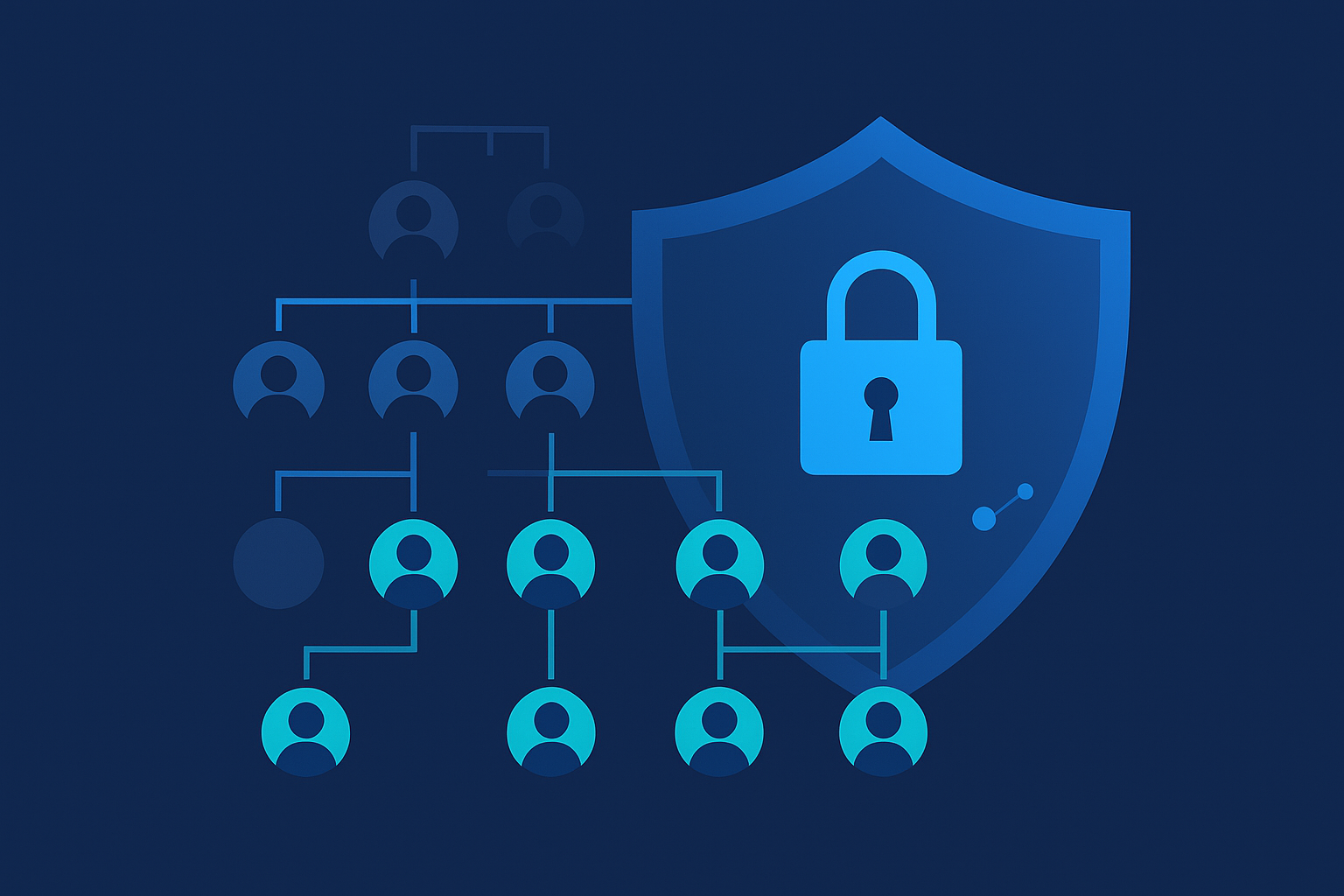
- Layoffs aren’t just an HR event—they’re a security event. Orphaned accounts, rushed offboarding, and reduced coverage create windows attackers love.
- Focus on four pillars in the next 30 days: Access Offboarding, Attack Surface Hygiene, Continuous Testing, and Human Readiness.
- We can help you move fast with:
- Cobalt.io (we’re a reseller) for on-demand pentesting and remediation workflows
- TCM for practical, role-based training to upskill a leaner team
- Hack The Box (HTB) for hands-on labs that keep skills sharp and prove readiness
Why layoffs increase cyber risk (even at “good” companies)
When headcount drops, three things usually happen:
- Gaps open in the identity perimeter.
Departing staff often leave behind accounts, API keys, VPN profiles, and service tokens. Even if HR systems are updated, IT workflows lag and SSO/IDP deprovisioning misses edge cases (local accounts, shared creds, lab gear, test tenants). - Monitoring and patch cycles slip.
A smaller team inherits more surface area. Backlogs grow, coverage shrinks, and “temporary” exceptions become permanent. - Change velocity increases.
Mergers of duties, tool consolidation, and role reshuffles generate misconfigurations—prime conditions for phishing, business email compromise, and privilege abuse.
The good news: with a short, focused sprint, you can lower your breach likelihood while the organization reshapes.
The 30-Day Security Sprint (post-layoffs)
1) Access Offboarding (Days 1–7)
- Freeze then prune: Immediately pause non-essential access changes while you run a rapid access review for all separated employees and contractors.
- Identity sweep:
- SSO/IDP: disable accounts and revoke refresh tokens.
- Email & collaboration: convert to shared mailboxes where needed; set forwarding rules only if approved by legal/HR.
- VPN/Zero Trust/ZTNA: remove profiles and device enrollments.
- Cloud IAM: rotate or delete access keys; remove from groups and projects.
- Local & legacy: domain local admins, lab boxes, NAS shares, OT/IoT, dev/test tenants.
- High-risk shared secrets: Change password vault master creds, break-glass accounts, API keys used in CI/CD, and any “shared” vendor logins.
Where we help: We can pair your offboarding list with a Cobalt.io quick assessment targeting identity and access exposures, then turn findings into tracked remediation with owners and deadlines.
2) Attack Surface Hygiene (Days 5–14)
- External exposure sweep: Verify DNS, WAF/CDN, and certificates. Remove abandoned subdomains and test hosts; review open S3/GCS buckets or blob containers.
- Endpoint & server baseline: Ensure EDR is installed and healthy; confirm log forwarding to your SIEM or centralized log stack; push critical patches.
- Cloud guardrails:
- Enforce MFA/modern auth for admins.
- Block legacy protocols where possible.
- Review overly broad IAM roles and organization-wide permissions.
- Validate network policies and security groups against least-privilege.
- SaaS posture: Check tenant security baselines (O365/Google Workspace, GitHub/GitLab, Slack, Atlassian, CRM). Remove risky third-party app grants.
Where we help: A Cobalt.io scoped pentest (external + SaaS) will identify reachable weaknesses quickly. We can schedule a targeted engagement that fits a 2-week window and feeds results straight into your backlog.
3) Continuous Testing & Verification (Days 10–30)
- Pentest now, not “after we stabilize.” Post-reorg is exactly when unknowns exist.
- Patch & prove: Treat fixes as hypotheses—verify with retesting.
- Automate guardrails: Add pre-commit checks and CI security gates for credentials, secrets, SBOMs, and dependency risks.
Where we help: With Cobalt.io, you get on-demand re-testing and evidence collection, so leadership sees measurable risk reduction, not just closed tickets.
4) Human Readiness (Days 1–30)
- Right-size training to roles:
- IT/helpdesk: phishing triage, SaaS hardening, identity cleanup, secure device rebuilds.
- Developers: secure repo hygiene, secrets management, dependency health.
- Admins: least-privilege IAM, key rotation, break-glass design.
- Make it practical: Choose labs > lectures. People remember what they do.
Where we help:
- TCM: pragmatic courses that turn junior staff into productive defenders and help devs avoid common foot-guns.
- Hack The Box (HTB): hands-on, gamified labs to practice real attack/defense paths—perfect for skill retention in lean teams.
A simple decision tree
- Do we have confirmed, documented offboarding for every separated person across SSO, email, VPN, cloud, and SaaS?
- No → Start the 7-day Access Offboarding plan above.
- Yes → Move to Attack Surface Hygiene.
- Do we have a fresh view of our external and SaaS exposure after the reorg?
- No → Commission a targeted Cobalt.io pentest.
- Yes → Prioritize remediation + schedule retest.
- Are the remaining team members trained for their new responsibilities?
What good looks like after 30 days
- All separated identities are closed or rotated. No lingering access.
- External and SaaS posture re-baselined. You know what’s exposed and why.
- Critical findings remediated and retested. Evidence captured for audit.
- Team roles match skills. People have training aligned to the work they now own.
- Metrics exist. You can show before/after risk deltas to leadership.
How our offerings fit—tactically
Cobalt.io (Reseller Support)
- When to use: You need credible findings fast, mapped to CVSS/OWASP/CWE, and a workflow that ties directly to engineering tickets.
- What you get:
- Rapid scoping (external, web app/API, cloud/SaaS)
- Clear, reproducible findings with business impact
- Retesting included—prove fixes before closing
- Executive reporting for board/leadership updates
TCM (Practical Upskilling)
- When to use: Your team is smaller and must cover more ground.
- What you get:
- Role-based paths (blue team, cloud, web, fundamentals)
- Realistic labs and projects to convert theory into muscle memory
- Fast wins: secrets hygiene, phishing response, log triage, IAM least-privilege
Hack The Box (Hands-On Labs)
- When to use: You want continuous, engaging practice and measurable progress.
- What you get:
- Private labs aligned to your stack and adversary techniques
- Weekly challenge cadence to keep skills fresh
- Reporting on participation and proficiency growth
Quick checklist
- HR-to-IT offboarding list reconciled with SSO, email, VPN, cloud, SaaS
- Break-glass, vault, and API keys rotated
- EDR healthy on all supported endpoints; logging verified end-to-end
- Critical patches applied; unsupported systems isolated/mitigated
- External/SaaS pentest scoped and scheduled; remediation owners assigned
- Retesting date set; executive report template prepared
- TCM learning paths assigned by role; HTB weekly lab cadence scheduled
Ready to move?
Tell us which stream you want to start with: Access Offboarding Sprint, Cobalt.io pentest, TCM training plan, or one of our HTB programs. We’ll scope it in a quick call and give you a concrete 30-day plan your leadership can approve.